

Cart
0
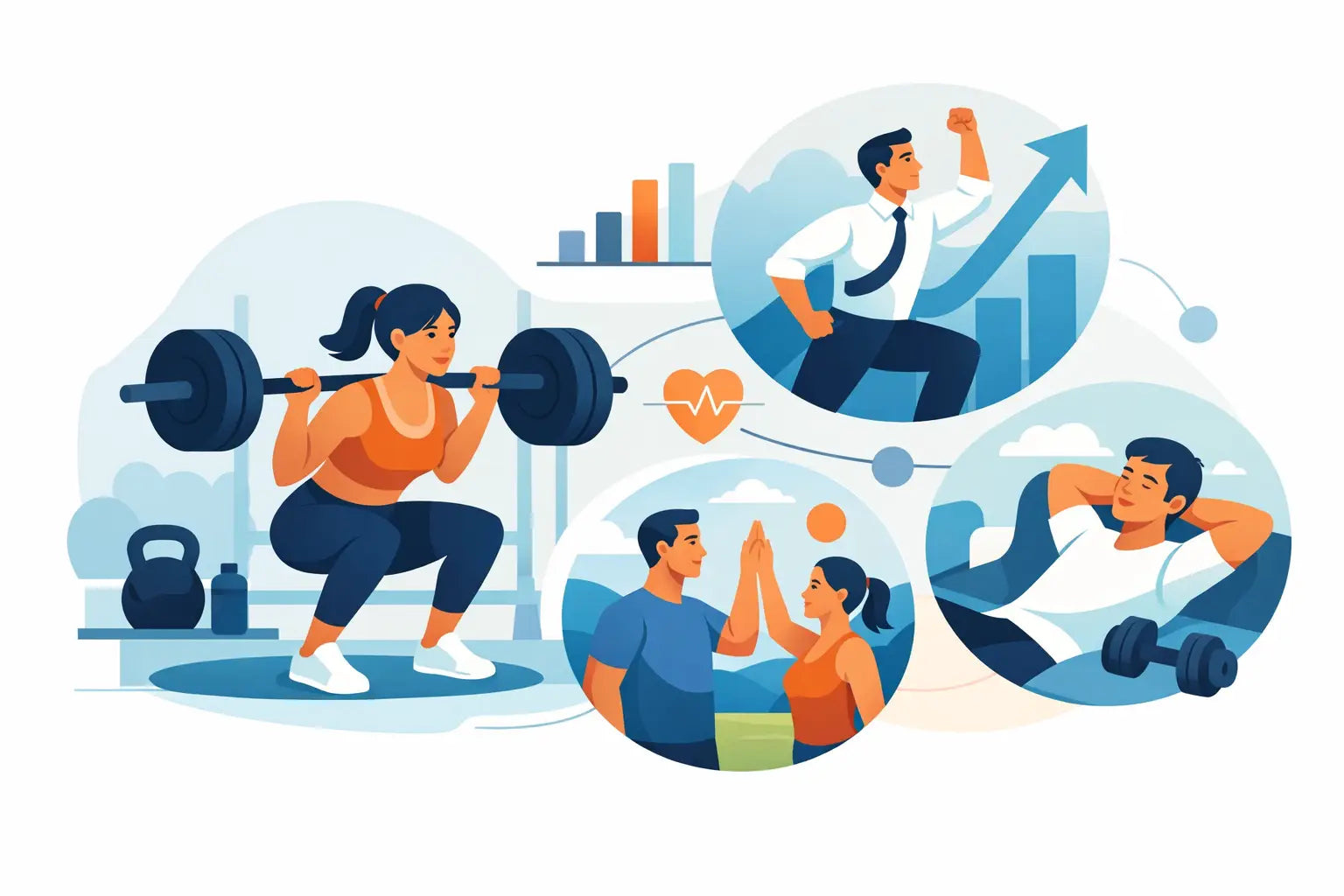
You feel it when carrying groceries gets easier, your back stops complaining after a long workday, and your energy holds up better by the afternoon. That’s usually when the question changes from is strength training worth it to why didn’t I start sooner.
For most adults, strength training is absolutely worth it. Not because you need to chase huge lifts or look like a bodybuilder, but because getting stronger makes everyday life work better. You move with more control, recover from physical stress faster, and build a body that can handle more without breaking down as quickly.
The real value is bigger than muscle. Strength training helps you protect your joints, support your posture, improve balance, and maintain lean mass as you age. It can also make other forms of exercise feel easier, from walking and running to hiking, sports, and home workouts. Train hard, stay strong - and the benefits show up far beyond the workout itself.
Is strength training worth it for everyday life?
Yes, especially if your goal is to feel better in your body and stay capable over time. Strength training gives you practical strength, not just gym strength. That means standing longer without discomfort, climbing stairs with less effort, lifting boxes without tweaking your back, and getting through the week with fewer aches from sitting too much.
A lot of people think cardio is the main engine of fitness, and it matters. But cardio alone doesn’t do the full job. If your muscles are weak, your posture is poor, and your joints are unstable, you can still feel run-down even if your heart health is decent. Strength training fills that gap.
It also pays off for people who work at desks, parents who are always carrying kids or bags, and anyone trying to stay active without spending hours in a gym. A focused home setup with dumbbells, kettlebells, resistance bands, and recovery tools can go a long way.
What strength training actually gives you
The first payoff is obvious: more strength. But the more useful answer is what that strength does for the rest of your life.
More muscle and a better metabolism
Muscle tissue burns more energy than fat tissue, even at rest. That doesn’t mean strength training is a magic fat-loss shortcut, because nutrition still matters. But adding muscle can make weight management easier over time, especially compared with trying to burn calories through cardio alone.
It also helps you keep your metabolism from sliding backward as you age. Adults naturally lose muscle over the years if they do nothing to maintain it. Strength training slows that decline and gives your body a reason to hold onto lean mass.
Better posture and joint support
A stronger body tends to hold itself better. If you spend a lot of time hunched over a laptop or phone, weak upper back, core, and glute muscles can feed poor posture and tension. Strength training helps counter that.
This is where smart equipment choices matter. Resistance bands, kettlebells, and bodyweight support tools can help you train the muscles that keep you aligned, while recovery tools like foam rollers and massage guns can help manage soreness and stiffness between sessions.
More resilience and fewer limits
There’s a mental side to strength training that people often underrate. When you get stronger, you trust your body more. That confidence matters. You stop approaching physical tasks like they might hurt you, and start treating them like something you can handle.
That doesn’t mean injuries disappear. It does mean your body is often better prepared for physical demands when training is done with good form and reasonable progression.
Is strength training worth it if your goal is fat loss?
Yes, but it works best when expectations are realistic. Strength training helps with fat loss by preserving or building muscle, improving training output, and supporting long-term consistency. It is not usually the fastest calorie-burn method in a single session, but it’s one of the best long-game strategies.
Here’s the trade-off: if you only judge workouts by how sweaty they make you, strength training can seem less impressive than high-intensity cardio. But that misses the bigger picture. Building strength helps your body stay more capable, which makes it easier to train regularly, move more throughout the day, and avoid the burnout that comes from trying to crush yourself every session.
If fat loss is the target, strength training plus a manageable nutrition plan is usually a stronger move than endless cardio alone.
Is strength training worth it for beginners?
It may be worth the most for beginners because early progress comes quickly. You don’t need advanced routines or heavy barbells to benefit. In fact, most people can make real progress with a few basic movements done consistently at home.
Squats, presses, rows, hinges, carries, and band work cover a lot. Add a jump rope for conditioning, a fitness tracker for accountability, and simple recovery habits, and you have a setup that fits real life.
The biggest beginner mistake is thinking you need to do everything at once. You don’t. Two or three sessions a week is enough to start building momentum. The goal is not perfection. The goal is consistency that lasts longer than two motivated weeks.
When strength training might not feel worth it
There are situations where people try it and quit fast. Usually, it’s not because strength training failed. It’s because the approach was off.
If your workouts are too long, too painful, too advanced, or built around equipment you don’t actually have access to, it becomes hard to stick with. The same thing happens when people expect dramatic body changes in a couple of weeks. Strength training works, but it rewards patience.
It can also feel frustrating if recovery is ignored. If you train hard and never address soreness, mobility, or rest, your body can start feeling beat up instead of stronger. Progress is not just about effort. It’s also about recovery.
That’s why a practical routine matters more than an impressive one. The best program is the one you can repeat. Move better, feel stronger daily - that’s the standard that holds up.
How to make strength training worth it
Start with a clear reason. Maybe you want more energy, better posture, stronger legs, less back pain, or more confidence in your body. That reason matters because it keeps you going when motivation dips.
Then keep the setup simple. You do not need a full gym to get started. A small home setup can cover a lot of ground, especially if it includes versatile equipment and recovery support. Adjustable dumbbells, kettlebells, resistance bands, and mobility tools can handle strength work, warmups, and post-workout care without taking over your space.
Focus on progression, not punishment. Use slightly more resistance over time, add a few reps, improve form, or reduce rest between sets. Small wins add up. That’s how strength becomes visible in the mirror and useful in real life.
Pay attention to recovery too. If you’re sore all the time, sleeping poorly, or dragging through every session, doing more isn’t always the answer. Sometimes the smart move is better recovery, better movement quality, and more manageable training volume.
The long-term payoff
The best argument for strength training is not six-pack marketing. It’s durability.
You are training for the ability to keep doing things well. To move furniture without fearing your back. To play with your kids without feeling wrecked. To keep your balance, keep your muscle, and keep your independence as the years add up. That’s real performance.
And unlike a lot of short-term fitness trends, strength training doesn’t lose value after a few months. The benefits keep compounding. Better movement leads to more activity. More activity supports better health. Better health gives you more energy to keep showing up.
If you want a body that works harder for you, not against you, strength training is one of the best investments you can make. You don’t need to train like an athlete. You just need to start, stay consistent, and give your body a reason to get stronger.

