

Cart
0
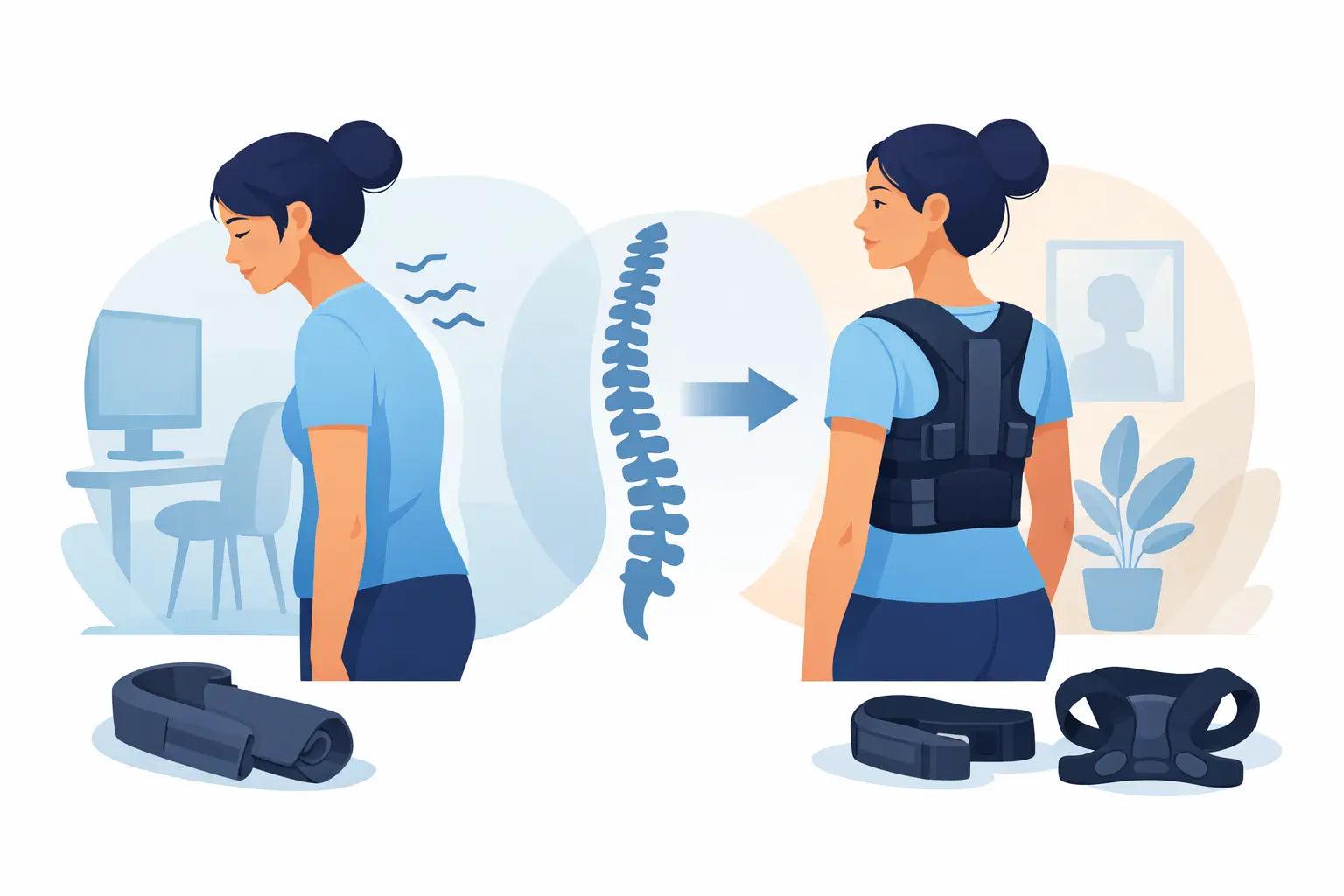
Slouching usually does not show up all at once. It creeps in through laptop hours, long drives, heavy lifting with tired form, and days when your upper back starts folding forward before you even notice. If you are asking what is the best back brace for posture correction, the real answer is not one magic product. It is the brace that matches your body, your routine, and your goal of building better posture without becoming dependent on support.
A posture brace can help, but only when you use it like a tool instead of a shortcut. The best ones give you a clear reminder to pull your shoulders back, keep your chest open, and stay more aware of your position through the day. They should support your progress, not do all the work for you.
What is the best back brace for posture correction?
For most adults, the best back brace for posture correction is a lightweight upper-back posture corrector with adjustable straps, breathable material, and enough tension to cue alignment without digging into the skin. That matters because posture correction is usually about awareness and consistency, not locking your torso into a rigid position for hours.
A good posture brace should encourage better shoulder positioning and help reduce the rounded posture that comes from desk work, phone use, or weak upper-back muscles. If it is too stiff, too bulky, or too uncomfortable, you will stop wearing it. If it is too loose, it will not do much at all.
That is the trade-off people miss. Strong support sounds better on paper, but for daily posture training, wearable comfort often beats maximum restriction.
What actually makes a back brace effective
The best posture brace is not the one with the most straps or the most dramatic before-and-after claim. It is the one that gives you a noticeable posture cue while still letting you breathe, move, and get through your day.
Look first at adjustability. Bodies are built differently, and a one-tension-fits-all brace usually misses the mark. Adjustable shoulder straps help you fine-tune the pull across your upper back so the brace feels supportive instead of punishing.
Material matters more than most people think. If the fabric traps heat or rubs under your arms, you will wear it twice and toss it in a drawer. Breathable mesh or soft neoprene-style materials tend to work better for workdays, walking, and light activity.
The brace also needs to sit in the right zone. For posture correction, many people do better with an upper-back design rather than a heavy lower-back support belt. A lumbar belt can help with lifting or back strain, but if your main issue is rounded shoulders and forward head posture, it will not solve the problem by itself.
The best type of brace for different goals
Not everyone needs the same kind of support. Your best option depends on why your posture is off in the first place.
If you spend most of your day at a desk, a slim upper-back posture corrector is usually the best fit. You want something light enough to wear under a shirt and comfortable enough to use during a work block, not a rigid brace that makes sitting feel harder.
If your posture slips when you get fatigued during training, you may need a brace that combines posture cueing with mild upper-back support. In that case, a slightly more structured design can help during warm-ups or recovery periods, but it still should not replace proper strength work.
If you are dealing with more serious pain, previous injury, or a medical condition, the best brace may be a clinical recommendation rather than a standard fitness accessory. That is where it pays to be honest. A posture corrector can support better habits, but it is not a fix for every kind of back problem.
When a posture brace helps and when it does not
A back brace can help when poor posture is tied to habit, muscle endurance, body awareness, and too much time in one position. It acts like a tap on the shoulder that says, straighten up and stay engaged.
It does not do much if the real problem is unresolved pain, major mobility limits, or weakness that shows up the second the brace comes off. Some people expect a brace to permanently pull them into better posture. That is not how it works. Better posture is built through repetition, movement, and stronger support muscles in your upper back, core, and glutes.
Think of the brace as a coach, not a crutch. It reminds. It supports. It does not finish the job for you.
How to choose the best back brace for posture correction
Start with your daily use case. Are you wearing it while working from home, walking, doing household tasks, or recovering after workouts? The answer changes what you need.
If you need something for all-day comfort, keep it lightweight and discreet. If you want short sessions to reinforce alignment, you can tolerate a little more structure. If your skin gets irritated easily, prioritize padded straps and softer seams over extra compression.
Sizing is where a lot of bad reviews begin. A good posture brace should fit snugly but not restrict breathing or create numbness in your arms or shoulders. If you are constantly adjusting it, the fit is wrong or the design is off for your frame.
You should also be realistic about wear time. More is not always better. For many people, shorter daily sessions are enough to build awareness without over-relying on the brace.
How to use a brace without becoming dependent on it
This is where posture support either helps your progress or slows it down. If you wear a brace every waking hour and never work on strength or mobility, your body has less reason to build its own support system.
A better approach is to use the brace in targeted windows. Wear it during your most slouch-prone part of the day, like computer work or evening fatigue, then take it off and practice holding good posture on your own. That creates awareness without giving all the work to the brace.
Pair it with simple exercises that build the muscles responsible for better alignment. Rows, band pull-aparts, wall slides, face pulls, and core work all help. Chest and shoulder mobility work helps too, especially if tight front-side muscles are pulling you forward.
That combination is where results start to stick. At Grit Gain Co., that is the mindset: train hard, recover smart, and use tools that support progress instead of replacing it.
Signs you found the right brace
You should feel gently corrected, not trapped. Your shoulders should sit in a better position without pain, and your upper back should feel more awake rather than overly compressed.
The right brace should be easy enough to put on consistently and comfortable enough that you do not dread it. You should also notice that it helps you recognize bad posture faster, even when you are not wearing it. That is a strong sign the brace is doing its job.
If it causes pinching, skin irritation, shallow breathing, or neck tension, it is not the right fit. The best posture tool is one you can actually use and benefit from over time.
The bottom line on posture braces
So, what is the best back brace for posture correction? For most people, it is an adjustable, breathable upper-back posture corrector that feels comfortable enough for regular use and strong enough to cue better alignment. Not the stiffest one. Not the trendiest one. The one that fits your body and supports better habits.
Posture gets better when support meets effort. Use a brace to build awareness, back it up with strength and mobility work, and stay consistent long enough for good posture to become your default. Small corrections, done daily, add up fast.

