

Cart
0
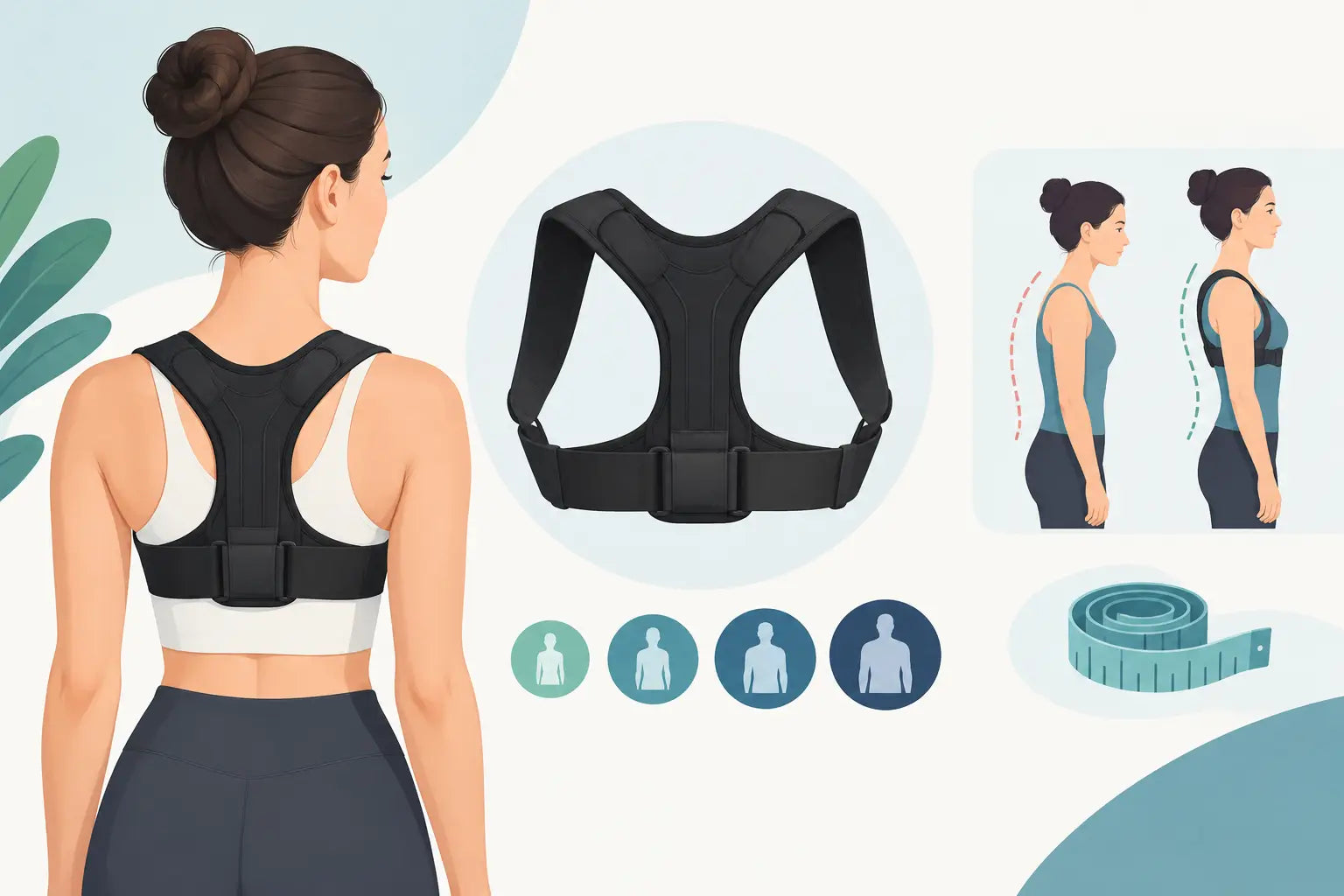
A posture corrector should feel like support, not a fight. If it pinches your shoulders, rides up your back, or leaves you holding your breath, the problem is usually fit, not effort. This posture corrector sizing guide helps you measure with confidence, choose the right range, and get comfortable support for workdays, workouts, and recovery.
Why posture corrector sizing matters
A posture corrector works by giving your upper body a physical reminder to sit and stand taller. The goal is not to force your shoulders painfully backward all day. It is to provide light, steady feedback that helps you recognize better alignment while you build stronger habits.
The wrong size can get in the way of that goal. A corrector that is too small may dig into your underarms, restrict natural movement, or create pressure across the chest. One that is too large can slide around, loosen quickly, and provide almost no support. Neither is a productive setup.
A good fit gives you room to breathe, reach, and move through your day while encouraging a more open chest and a stacked, upright position. Think controlled support, not a hard cinch. You still need to move, strengthen, and take breaks. The corrector is a tool in your routine, not a replacement for it.
Posture corrector sizing guide: measure before you buy
Do not guess based only on your shirt size. A medium T-shirt does not always mean a medium posture corrector. Brands use different sizing ranges, and many designs are built around chest circumference rather than waist size or clothing labels.
Before measuring, find the specific product's size chart and check what measurement it requests. Most posture correctors use one of these areas: chest circumference, underbust circumference, or the circumference around the upper torso just below the armpits. Measure exactly where that chart tells you to measure.
Use a soft measuring tape and stand naturally. Do not puff out your chest, pull your stomach in, or hold your breath. Wrap the tape flat around your body, keeping it level with the floor. It should touch your skin or a thin shirt without squeezing. Record the number, then measure again to confirm it.
If you do not have a soft tape measure, use a string around the required area, mark where it meets, and measure the string with a ruler. It is better than estimating, especially when you fall near the border between two sizes.
Measure at the right time
Your body can feel slightly different after a hard workout, a big meal, or a long day sitting at a desk. For the most reliable result, measure when you are relaxed and wearing the kind of thin layer you expect to wear under your posture corrector.
If you plan to wear it over a T-shirt or lightweight workout top, account for that layer. Do not add several inches “just in case.” Adjustable straps are designed to handle small changes, while oversized gear tends to shift and lose its purpose.
Between sizes? Choose based on the design
The size chart always gets the final say, but a few practical rules can help when your measurement lands between sizes. For a highly adjustable posture corrector with long straps and multiple adjustment points, choosing the smaller size can work if you prefer a closer, more secure fit.
For a less adjustable style, a broader chest, sensitive underarms, or a comfort-first approach, the larger size is often the better call. You can tighten a corrector with extra adjustment room. You cannot create more room in straps that are already digging in.
If you are buying for posture support during desk work, comfort usually deserves priority. If you want a more secure feel for short periods of standing, walking, or light home training, a closer fit may be appropriate as long as it does not restrict breathing or circulation.
How a properly sized corrector should feel
After you put it on, adjust the straps gradually. Start looser than you think you need. Pull each side evenly until you feel a gentle reminder to keep your shoulders from rolling forward.
A properly fitted posture corrector should sit flat against your upper back and stay in place when you walk around the room. You should be able to take a full breath, raise your arms comfortably, and turn your torso without sharp pulling. The straps should not bunch, twist, or cut into your skin.
Check your fit with a quick movement test. Sit down, stand up, reach for a shelf, and take several deep breaths. If the corrector shifts dramatically, rides toward your neck, or rubs under your arms within a few minutes, readjust it. If adjustment does not solve the issue, you may need a different size or style.
Red marks that fade quickly can happen with snug fitness gear, especially over a thin shirt. Deep marks, numbness, tingling, pain, chafing, or trouble breathing are not signs that the corrector is “working.” Loosen it or stop wearing it.
Avoid the most common fitting mistakes
The biggest mistake is overtightening. Many people expect a posture corrector to pull their shoulders all the way back. That creates tension, fatigue, and a device you will not want to wear again tomorrow. Better posture is active, not rigid.
Another common issue is wearing it too high. If the straps are crowding your neck or rubbing your armpits, reset the placement and make sure the back panel sits where the product instructions recommend. A thin, breathable shirt underneath can also reduce friction and help the corrector stay comfortable.
Do not judge the fit while standing perfectly still in front of a mirror. Your real test is daily movement. The best size holds steady through normal tasks like typing, carrying a water bottle, light chores, and walking without becoming the only thing you can think about.
Finally, do not keep a poor fit because you hope it will “break in.” Some materials soften with use, but a posture corrector that is fundamentally too tight, too loose, or wrong for your torso shape will not become a great fit through willpower.
Build posture support into your training routine
A posture corrector can support awareness, but stronger movement habits create lasting change. Pair short wear sessions with simple training that strengthens the muscles responsible for stable, confident positioning.
Rows with resistance bands, rear-delt work, light face pulls, and controlled core exercises can help build upper-back and trunk strength. Chest stretches, thoracic mobility work, and regular movement breaks can help counter long stretches of sitting. You do not need an elaborate program. Consistency beats the occasional perfect workout.
Start with short sessions, such as 15 to 30 minutes, especially if posture support is new to you. Wear it during a focused desk block, a walk, or a light recovery session. As you learn what a tall, relaxed position feels like, you may find you need it less often. That is progress.
Posture correctors are not ideal for sleeping, heavy lifting, or wearing tightly through intense training. Your body needs to move freely when you squat, press, pull, and carry load. Use the corrector as a cue outside those demanding movements, then train the strength and mobility that support better form on their own.
When to get extra guidance
If you have a shoulder injury, chronic back or neck pain, recent surgery, numbness, or a diagnosed condition affecting your spine, speak with a qualified healthcare professional before adding a posture corrector. The right support plan depends on the cause of your discomfort, not just the position of your shoulders.
For everyday stiffness from long screen hours or slouching on the couch, a well-fitted corrector can be a practical part of a bigger routine. Measure carefully, start light, and adjust with purpose. The best fit is the one that helps you move better, feel stronger daily, and keep showing up for the work.

