

Cart
0
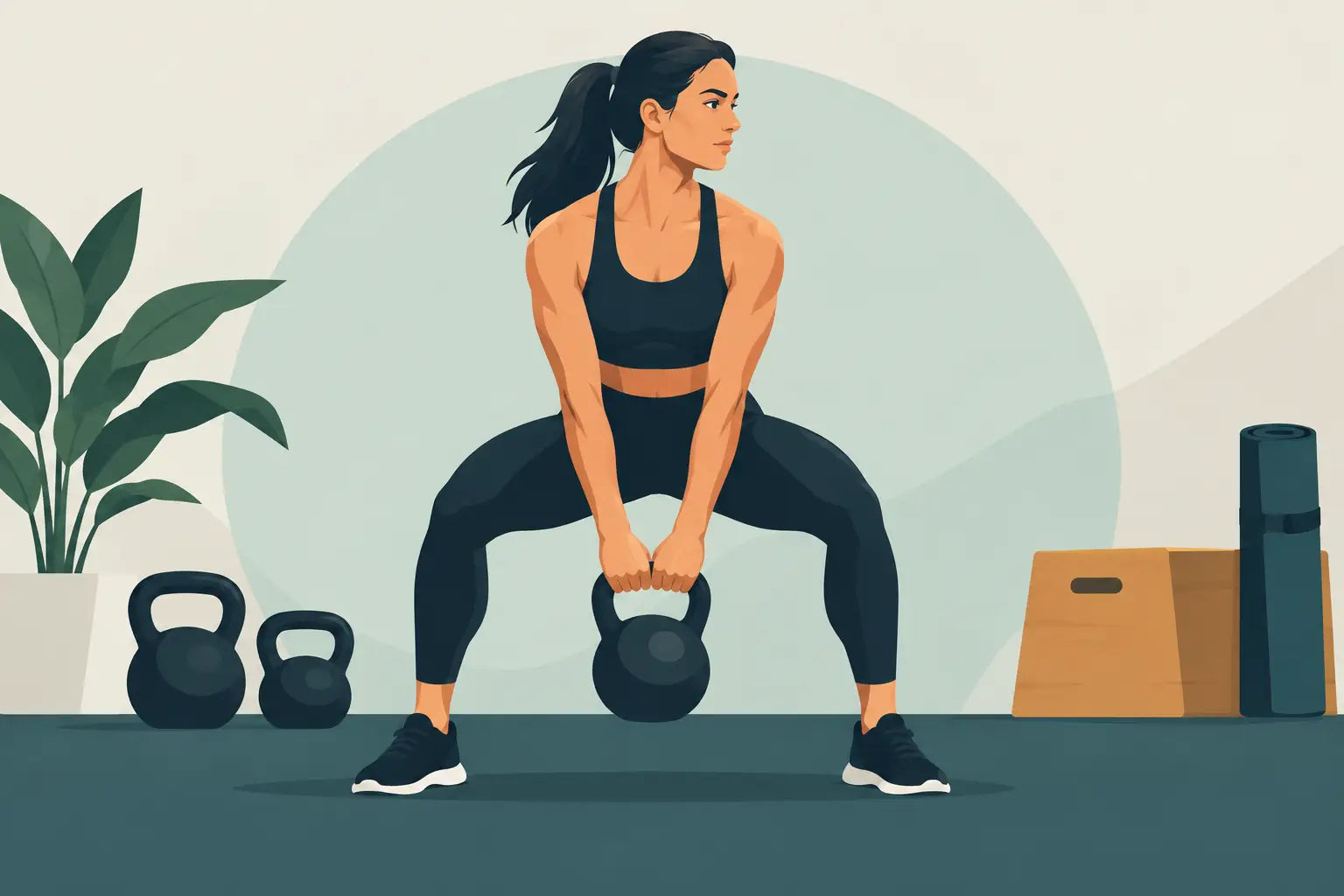
A single kettlebell can turn a small corner of your home into a place where real work gets done. It challenges your grip, legs, core, back, shoulders, and conditioning without requiring a rack of equipment or an hour of setup. Kettlebells for full body workouts make sense when you want training that feels athletic, efficient, and repeatable.
The secret is not chasing complicated exercises or swinging a weight before you can control it. Start with solid positions, pick a load you can own, and put the same focused effort into every rep. Train hard, stay strong, and let consistency do the heavy lifting.
Why Kettlebells Work the Whole Body
A kettlebell carries its weight below the handle. That offset design changes the feel of familiar movements. During a squat, press, carry, or hinge, your body has to manage the bell instead of simply moving it from point A to point B. Your core works to keep you stable, your grip stays involved, and your smaller stabilizing muscles have a job to do.
That makes kettlebells especially useful for home training. You can build strength with controlled goblet squats and presses, then raise your heart rate with swings or clean-to-press combinations. The same piece of equipment can support a focused strength day, a fast conditioning session, or a short movement break between meetings.
They are not magic, and they do not replace every tool. A barbell is often better when your goal is to lift the heaviest possible weight. Dumbbells can make some pressing and isolation work easier to balance. But when space is limited and you want strength, cardio, and mobility in one training tool, a kettlebell earns its spot.
Choose a Weight You Can Control
The right starting weight depends on your current strength, training history, and the movement you are doing. A bell that feels manageable for a deadlift may be too heavy for an overhead press. That is normal. Your lower body can generally handle more load than your shoulders.
For many beginners, a lighter kettlebell is the right place to learn the hinge, squat, row, and press with clean form. If you already train regularly, you may need a moderate bell for lower-body work and a lighter option for overhead movements. One bell is enough to begin, but two different weights give you more room to progress without forcing sloppy reps.
Use this test: you should be able to complete every rep with steady posture, a firm grip, and no twisting or leaning to get the bell moving. The final few reps should feel challenging, but your form should not fall apart. If it does, reduce the weight, lower the reps, or choose a simpler variation.
Build the Foundations Before the Fast Stuff
Kettlebell swings look powerful because they are powerful, but they are not the first movement to rush into. The swing is a hip hinge, not a squat with arm lift. Your hips drive the bell forward while your arms guide it. If you have not learned to hinge and brace, spend time on deadlifts first.
Start with a kettlebell deadlift. Place the bell between your feet, push your hips back, keep your chest proud, and stand by driving the floor away. Feel your hamstrings and glutes load on the way down. Once that pattern feels natural, the swing becomes far easier to learn safely.
The goblet squat is another staple. Hold the bell close to your chest, keep your feet planted, and sit down between your hips. The front-loaded position gives your core something to brace against while your legs do the work. It is simple, tough, and easy to scale.
For upper-body strength, use a one-arm row and a standing press. Rows build your back and help balance pressing work. For presses, squeeze your glutes, keep your ribs from flaring, and move the bell overhead without leaning backward. If overhead pressing bothers your shoulders, swap it for a floor press or keep the bell in a rack hold while you practice squats and carries.
A Full Body Kettlebell Workout for Home
This session is built around simple movements that cover the major patterns: hinge, squat, push, pull, carry, and core stability. Do it two or three times per week on nonconsecutive days, especially if you are new to strength training. Give yourself enough rest to make every set count.
Begin with five minutes of easy movement. March in place, perform bodyweight squats, roll your shoulders, and practice a few unweighted hip hinges. You are not trying to exhaust yourself in the warmup. You are preparing your joints and dialing in the positions you need.
Block One: Strength and Control
Complete three rounds of 8 to 12 kettlebell deadlifts, 8 to 10 goblet squats, and 8 one-arm rows per side. Rest for about 45 to 75 seconds after each round. Move with control, especially during the lowering phase. If you only have time for one block, make it this one.
The deadlift builds the hinge. The squat trains your legs and core. The row gives your upper back the attention it needs after long hours at a desk, on the couch, or behind the wheel. Keep your non-working hand braced on a bench, sturdy chair, or your thigh when rowing if that helps you stay square.
Block Two: Press, Carry, and Conditioning
Complete three rounds of 6 to 10 standing presses per side, 20 to 40 seconds of suitcase carries per side, and 10 to 15 kettlebell swings. Rest as needed, then repeat with quality.
For the suitcase carry, hold the bell at one side like a loaded suitcase and walk slowly without leaning toward or away from it. This is not flashy, but it builds grip strength, core control, and better posture under load. If you do not have clear walking space, stand still and perform a suitcase hold for the same amount of time.
If swings are new, replace them with 10 more deadlifts until your hinge is confident. There is no prize for moving fast before you are ready. Strong fundamentals beat rushed reps every time.
How to Make Kettlebells for Full Body Workouts Harder
Progress does not always mean buying a heavier bell right away. First, aim to improve your execution. Add a rep or two while maintaining form, reduce rest slightly, or add one more round to the workout. Those small changes build work capacity without turning every session into a test.
When the current weight feels controlled across the full rep range, move up gradually. You can also use single-arm variations, which increase the demand on your core and balance. A single-arm front rack squat, one-arm floor press, or offset carry can make a familiar movement feel brand new.
Tempo is another useful tool. Lower into a goblet squat for three seconds, pause for one second at the bottom, then stand with purpose. Slow reps increase time under tension and make lighter equipment work harder. Use them for strength moves, not for explosive swings.
Form Rules That Keep Training Productive
Keep your wrist neutral and your knuckles stacked over your forearm whenever you hold the bell in the rack or overhead position. Brace your midsection before each lift as if you are preparing to take a light punch. During hinges, keep the bell close to your body rather than reaching for it with your shoulders.
Stop a set when your back rounds, your shoulder position gets shaky, or you have to use momentum where control should be. Muscle fatigue is part of training. Sharp pain, numbness, dizziness, or joint pain is a reason to stop and get guidance from a qualified professional.
Recovery counts too. A short walk, light mobility work, a foam roller, or a massage gun can help you stay ready for the next session. Training intensity drives progress, but recovery is what lets you show up again.
A kettlebell does not need much space, a complicated plan, or perfect conditions. Put it where you will see it, commit to the next session, and build from there. The reps you do consistently at home can change how strong you feel everywhere else.

