

Cart
0
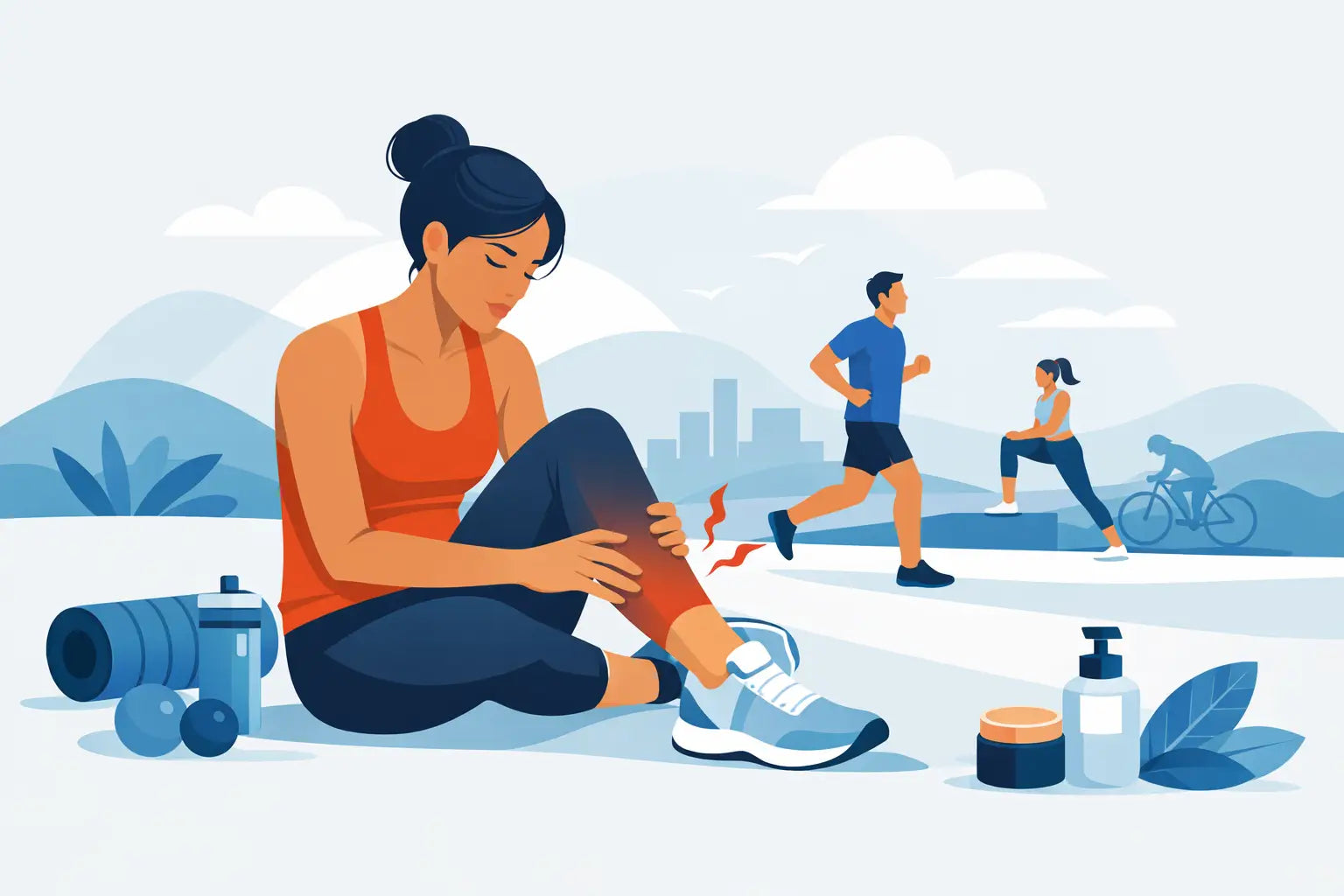
You finished the workout. Now your legs feel heavy walking downstairs, your shoulders protest when you reach for a cup, and tomorrow’s session suddenly sounds less appealing. Knowing how to relieve sore muscles can keep one hard workout from turning into several skipped ones. The goal is not to erase every bit of soreness. It is to recover well enough to move, train, and stay consistent.
Soreness after a new workout, a heavier lift, or a return to training is normal. Your muscles are adapting to work they are not used to. Smart recovery helps you manage that discomfort while giving your body what it needs to come back stronger.
Why Muscles Get Sore After Training
Most post-workout soreness is delayed onset muscle soreness, often called DOMS. It usually starts several hours after training, peaks around 24 to 72 hours later, and gradually fades. It is especially common after lowering a weight slowly, running downhill, trying new movements, or increasing your workout volume too fast.
Soreness does not always mean you had a great workout, and a lack of soreness does not mean your workout failed. Progress comes from challenging your body, recovering from that challenge, and repeating the process over time. Chasing crippling soreness is a fast way to make consistency harder.
The best recovery choice depends on how sore you are and what caused it. Mild, general stiffness responds well to movement and basic recovery habits. Sharp pain, swelling, weakness, or pain that changes the way you walk needs more caution.
How to Relieve Sore Muscles in the First 48 Hours
Keep moving, but lower the intensity
When you are sore, your first instinct may be to stay completely still. A full rest day can be useful, but gentle movement often feels better than spending the day on the couch. Easy walking, light cycling, relaxed mobility work, or a few bodyweight movements can increase circulation and reduce that locked-up feeling.
Keep the effort easy enough that you could hold a conversation. If leg day left your quads sore, take a walk or do a light upper-body session. If your upper body is tight, choose easy cardio and lower-body mobility. You do not need to prove toughness by repeating the same punishing workout on exhausted muscles.
Use heat for stiffness and cold for fresh aches
Heat can be a solid choice when muscles feel tight, stiff, and slow to warm up. A warm shower, heating pad, or warm bath can help you relax before gentle movement or mobility work. Heat is especially useful when soreness has settled in and you need to loosen up after sitting at a desk or waking up.
Cold can help when an area feels freshly irritated or slightly swollen after a hard session. An ice pack may reduce discomfort in the short term, but it is not a magic recovery shortcut. Use it for comfort, not as a replacement for sleep, food, and sensible training.
Hydrate and eat like recovery matters
Hard training costs more than effort. You lose fluids and electrolytes through sweat, use stored carbohydrate for energy, and need protein to support muscle repair. Start with water, then add a balanced meal or snack that includes protein and carbohydrates.
Think eggs and toast after a morning workout, Greek yogurt with fruit, chicken and rice, tofu with potatoes, or a protein shake alongside a banana. You do not need a perfect meal plan to recover well. You need enough food, enough fluids, and a routine you can repeat.
If you trained in heat, sweated heavily, or your workout lasted a long time, include electrolytes through food or a drink. Pale-yellow urine is a simple, practical sign that hydration is generally on track.
Use self-massage with purpose
A foam roller or massage gun can make sore muscles feel less tender and help you move more comfortably. The key is controlled pressure, not turning recovery into another painful challenge. Spend 30 to 90 seconds on a tight area, breathe normally, and avoid rolling directly over joints, bones, or areas that feel sharply painful.
For larger muscles like quads, glutes, calves, lats, and upper back, a foam roller gives you broad pressure and control. A massage gun can target smaller, stubborn areas with less effort. Start on a low setting and keep it moving rather than holding intense pressure in one spot.
These tools can help you feel better, but they do not repair muscle overnight. Pair them with easy movement and good sleep for a recovery plan that actually holds up.
Do Not Stretch Aggressively Through Soreness
Light stretching can feel good after you are warm, especially if a muscle feels tight. But forcing a deep stretch into very sore tissue can make discomfort worse. Think gentle range of motion, not a flexibility test.
Try a few slow bodyweight squats for sore legs, arm circles for stiff shoulders, or controlled hip rotations after a walk. Stop before pain. The goal is to remind your body that it can move safely, not to force instant relief.
Train Around Sore Muscles Without Losing Momentum
You do not always need to cancel a workout because you are sore. You just need to make a better call. If the soreness is mild and your form is normal, reduce the load, do fewer sets, or train a different muscle group. A lighter session can maintain your habit without piling more stress onto muscles that are still recovering.
For example, if a tough lower-body workout has your legs sore, train upper body, do low-impact cardio, or focus on core and mobility. If your chest and triceps are sore after pushing movements, work on lower body or take an active recovery day. This is not backing down. It is training with discipline.
If soreness is so strong that it changes your movement, makes your technique sloppy, or leaves you unusually fatigued, take the recovery day. One planned rest day protects the next several workouts.
Sleep Is the Recovery Tool You Cannot Skip
Massage tools, mobility drills, and hydration all help, but sleep does the heavy lifting. During quality sleep, your body gets the time it needs to manage stress, restore energy, and support muscle repair. A few poor nights can make soreness feel worse and make an ordinary workout feel much harder.
Aim for a consistent sleep schedule whenever possible. Keep your room cool and dark, limit late-night scrolling, and give yourself enough time to wind down after evening training. If you can only improve one recovery habit this week, start here.
When Sore Muscles May Be More Than Soreness
Normal DOMS is dull, widespread, and improves little by little. Injury pain is often sharper, more specific, and more disruptive. Do not try to power through if you notice any of these signs:
- Sudden sharp or tearing pain during exercise
- Major swelling, bruising, numbness, or tingling
- Joint pain or instability rather than muscle tenderness
- Severe weakness or pain that does not improve after several days
- Dark urine, extreme swelling, fever, or feeling seriously unwell after intense exercise
Build a Simple Home Recovery Routine
You do not need a complicated recovery room to take care of your body. A practical setup can be as simple as a foam roller, massage gun, resistance bands, a mat, and a reliable water bottle. Those tools make it easier to fit recovery into real life, whether you train in a home gym, your living room, or between long workdays.
At Grit Gain Co., the mindset is simple: train hard, stay strong, and give recovery the same discipline you give your workouts. Use your tools consistently instead of only reaching for them when you are already wrecked.
The most effective way to relieve sore muscles is not one perfect hack. It is a repeatable routine: move gently, eat and drink enough, sleep well, use recovery tools wisely, and adjust your next session when your body asks for it. Keep showing up with smart effort. That is how soreness becomes part of progress, not a reason to stop.

