

Cart
0
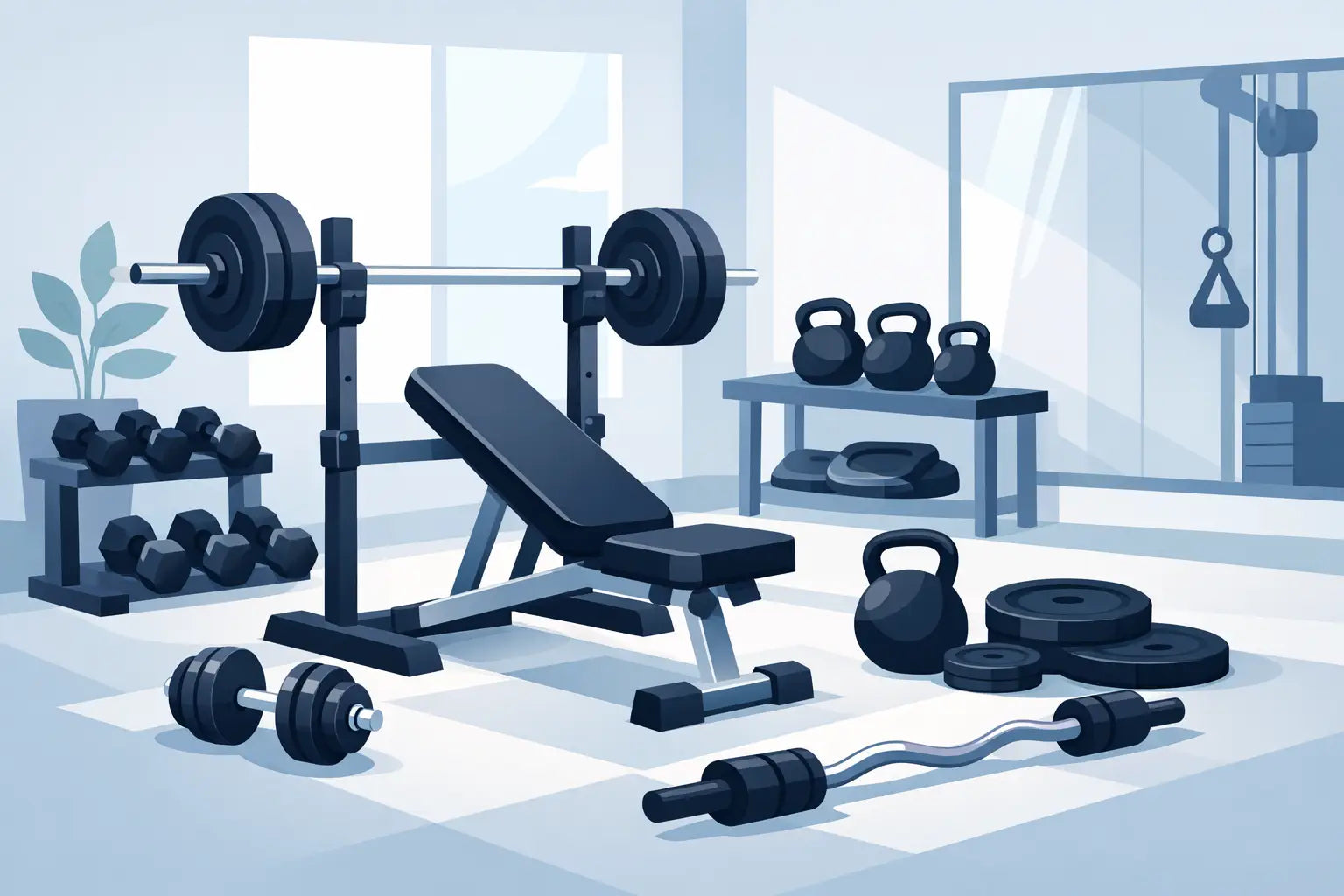
A crowded garage and a random pair of light dumbbells will not carry you very far. The right home gym weight training equipment will. If you want to get stronger, stay consistent, and stop wasting money on gear that collects dust, your setup needs to match how you actually train - not some fantasy version of your routine.
That is the real difference between a home gym that gets used and one that turns into storage. Good equipment makes it easier to show up, harder to skip sessions, and more likely that your workouts keep delivering results over time. Train hard. Stay strong. Start with the tools that earn their space.
What home gym weight training equipment should include
Most people do not need a full commercial gym in their house. They need a smart mix of strength tools that cover the basics, leave room to progress, and fit their space. For most home setups, that starts with dumbbells, kettlebells, resistance bands, and a bench if you have room for one.
Dumbbells are the workhorse. They cover presses, rows, squats, lunges, deadlifts, carries, and core work. If you are a beginner, a few pairs can take you surprisingly far. If you are intermediate, adjustable dumbbells often make more sense than a full rack because they save space and still give you room to increase load.
Kettlebells add a different kind of challenge. They are great for swings, goblet squats, presses, and conditioning work that builds strength with an athletic feel. If your goal is simple, efficient training at home, kettlebells deserve a spot in the conversation.
Resistance bands are not a backup option. They are useful for warmups, accessory work, mobility, pull-aparts, glute activation, and adding tension to basic lifts. They also help if you are training around joint discomfort or want a lower-impact option on recovery days.
A bench is helpful, but it depends on your space and training style. If you do a lot of chest pressing, step-ups, split squats, or supported rows, it adds value fast. If your workouts are mostly floor-based with dumbbells and kettlebells, you can absolutely build strength without one.
Choose equipment based on your goal, not hype
Not all home gym weight training equipment makes sense for every lifter. The best setup for fat loss, general fitness, and muscle building often overlaps, but the details matter.
If your main goal is getting stronger, you need equipment that supports progressive overload. That means enough weight to challenge you now and more resistance available later. Adjustable dumbbells, heavier kettlebells, and a sturdy bench are smart starting points because they let you keep pushing instead of plateauing.
If your goal is staying active and building consistency, versatility matters more than max load. A smaller collection that makes workouts easy to start is usually the better move. A pair of dumbbells, one kettlebell, bands, and a jump rope can create dozens of effective sessions without taking over your home.
If you are also focused on feeling better between workouts, do not ignore recovery tools. Strength gains come from training, but consistency usually comes from recovery. Foam rollers, massage guns, and mobility tools help reduce soreness, improve movement quality, and make the next session easier to attack.
The best first buys for a beginner
Beginners often make one of two mistakes. They either buy too much too early, or they buy the cheapest gear possible and outgrow it in a month. A better approach is to build a simple base with equipment you will still use six months from now.
Start with one or two pairs of dumbbells that feel challenging for lower-body work and manageable for upper-body exercises. Add a medium kettlebell if you want full-body training with a smaller footprint. Pick up a set of resistance bands for warmups and extra volume. If your floor is slick or hard, a mat is worth it too.
That combination works because it keeps your options open. You can train strength, conditioning, core, and mobility without needing a lot of square footage. You also avoid the trap of buying highly specific machines before you have a real habit built.
The biggest win for beginners is not variety. It is repeatability. Equipment that supports squats, presses, rows, hinges, and carries gives you enough to build a strong foundation and keep progressing.
Space and budget change the answer
A one-bedroom apartment setup should not look like a garage gym, and that is fine. Smart home training is about making the most of what you have.
If space is tight, adjustable dumbbells and resistance bands give you the most training value per square foot. A single kettlebell also earns its keep because it can handle strength work and conditioning. Store everything in one corner, and your workout barrier drops fast.
If you have more room, a bench expands your exercise options. You can also think about multiple dumbbell pairs or heavier kettlebells so you do not have to keep making large jumps in resistance. More space lets you create a smoother progression path, which matters if you plan to train seriously for the long haul.
Budget matters too. Cheap gear can be tempting, but poor grip, awkward shape, and flimsy construction usually turn into frustration. That does not mean you need premium everything. It means the pieces you touch every session should feel solid, safe, and built to last. Buy fewer items if needed, but make them count.
Equipment that helps you recover and keep going
A lot of people think only about the workout itself. Then soreness hits, tightness builds up, and training starts to feel harder to maintain. That is where recovery tools make a real difference.
Foam rollers help with tissue work before and after training. They are simple, affordable, and useful for calves, quads, glutes, back, and upper body areas that get tight from lifting or sitting all day. Massage guns bring quicker, more targeted relief when a muscle feels especially beat up.
Mobility and posture support tools matter more than people expect, especially if you work at a desk and train at home. Better posture, better movement, and less stiffness can improve how your lifts feel and how ready you are for the next session. Move better, feel stronger daily.
This is where a brand like Grit Gain Co. makes sense for everyday lifters. Strength tools are important, but pairing them with recovery and mobility gear creates a setup that supports the full cycle - train, recover, repeat.
How to know when to upgrade your home gym weight training equipment
You do not need to upgrade every time a new product catches your eye. Upgrade when your training gives you a reason.
If your dumbbells feel too light on squats, rows, and presses even with good form and controlled tempo, it is time for more resistance. If your bands have stretched out or no longer add enough challenge, replace them. If your workouts feel limited by what you own instead of driven by your goals, that is the signal.
There is also a comfort factor. A bench that wobbles, handles that slip, or equipment that is annoying to set up can quietly kill consistency. Better gear is not just about heavier weight. Sometimes it is about removing friction so training feels easier to start and better to finish.
Still, more equipment is not always the answer. Many people improve faster by using a few quality tools well instead of chasing variety for its own sake. If you can squat, hinge, push, pull, carry, and recover with what you have, you are in a strong position.
Avoid the common buying mistakes
The biggest mistake is buying for entertainment instead of results. Flashy tools are fun for a week. Useful tools keep showing up in your workouts month after month.
Another mistake is ignoring progression. A pair of very light dumbbells may feel like a safe purchase, but if they stop challenging you quickly, you will either need to rebuy or lose momentum. Think one step ahead. Buy equipment that fits your current level and leaves room to grow.
It is also easy to underestimate recovery. People will spend on weights, then skip mobility tools and wonder why they feel beat up all the time. If your body feels better, your training gets more consistent. That is not extra. That is part of the plan.
The best home gym weight training equipment is not the biggest setup, the fanciest finish, or the trendiest piece on social media. It is the gear that matches your goals, fits your space, supports progress, and helps you come back tomorrow ready to work. Build it piece by piece, use it with purpose, and let your routine get stronger before your wishlist gets longer.

