

Cart
0
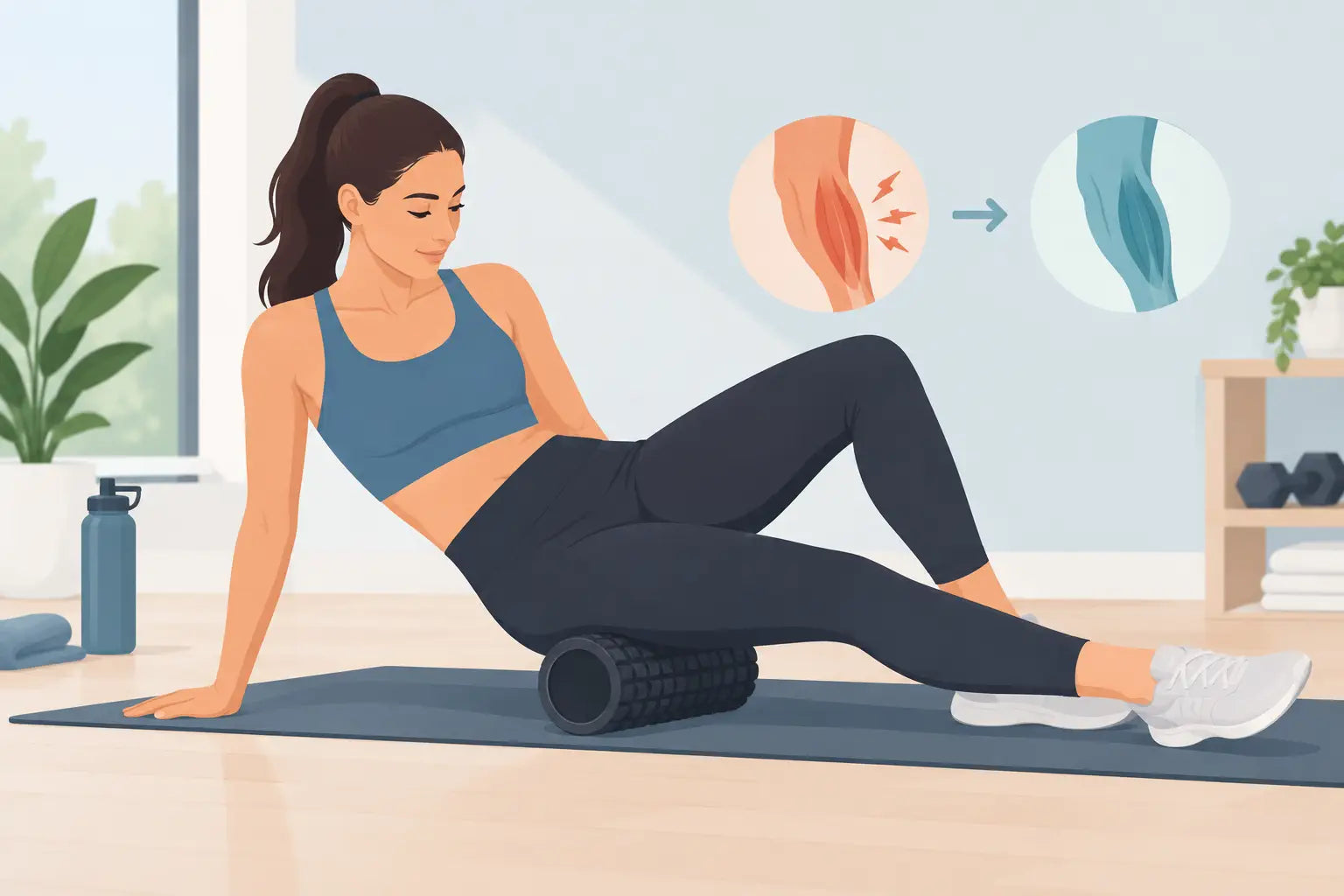
That tight, heavy feeling in your legs the day after squats can make stairs feel like a challenge. So, can foam rolling reduce soreness enough to help you move better and stay on track with training? For many people, yes. It is not a magic fix for muscle damage, but it can reduce the feeling of soreness, improve short-term range of motion, and make recovery days feel more productive.
The key is using it with the right expectations. Foam rolling should support your recovery routine, not replace sleep, nutrition, hydration, or sensible training volume. Use it well, and it becomes one more simple tool that helps you train hard, stay strong, and come back ready for the next session.
Can Foam Rolling Reduce Soreness?
Foam rolling can help reduce delayed-onset muscle soreness, often called DOMS. This is the tenderness and stiffness that commonly builds 12 to 48 hours after a new workout, a hard lift, a long run, or a high-volume training day.
Research and real-world experience suggest that self-myofascial release, the category foam rolling falls under, may decrease how sore you feel after exercise. It may also help you maintain or regain movement quality in the days after a tough session. That matters when you want to keep your routine moving instead of turning every hard workout into several days of stiff, limited movement.
What foam rolling does not do is erase all soreness or instantly repair damaged muscle fibers. Some soreness is a normal response to demanding exercise, especially when you increase weight, volume, intensity, or try a new movement. The goal is not to avoid every trace of discomfort. The goal is to manage it so it does not derail your consistency.
Why It Can Make Muscles Feel Better
A foam roller puts controlled pressure on soft tissue while you move across it. That pressure can create a temporary change in how your nervous system perceives tightness and discomfort. It may also increase blood flow to the area and encourage you to slow down, breathe, and pay attention to spots that feel restricted.
The result is often a body that feels less guarded. Your quads may bend more comfortably after leg day. Your upper back may move more freely before pressing. Your calves may feel less locked up before a walk or run.
This is why foam rolling works best as a feeling-and-function tool, not a punishment tool. You are not trying to crush knots out of your muscles. Muscles do not need to be beaten into submission to recover. Excessive pressure can leave you more tender, tense, and reluctant to use the roller again.
When to Foam Roll for Soreness
You can use a foam roller before training, after training, or on recovery days. The best time depends on what you need.
Before a workout, keep it brief and purposeful. Spend 30 to 60 seconds on areas that feel stiff and affect your movement, such as the upper back before overhead work or the glutes before squats. Follow rolling with a few dynamic warm-up movements. A roller can help you feel ready, but it should not be your entire warm-up.
After training, foam rolling can be a useful transition out of hard work. Take a few minutes to roll muscles you trained, especially if they feel tight. Keep the pressure moderate. This is a good time to downshift, breathe steadily, and let your body settle.
On the day after a challenging workout, rolling can be especially valuable if soreness is making everyday movement uncomfortable. Pair it with light activity like walking, easy cycling, or gentle mobility work. Complete rest has its place, but easy movement often feels better than staying still all day.
How to Use a Foam Roller Without Overdoing It
Start with slow, controlled passes over a large muscle group. For most people, 30 to 90 seconds per area is plenty. If you find a tender spot, pause there for a few breaths instead of aggressively grinding back and forth.
Use pressure you can control. A good target is mild to moderate discomfort, not sharp pain. You should be able to breathe normally and relax into the movement. If you are holding your breath, tensing your shoulders, or bracing through your jaw, back off.
For a basic full-body recovery session, focus on the quads, hamstrings, glutes, calves, upper back, and lats. Those areas tend to handle foam rolling well because they are broad muscle groups with enough tissue to support the pressure. Adjust your body position to make rolling easier or harder. Supporting more of your weight with your hands or opposite leg reduces intensity.
Avoid rolling directly over joints, the front of the neck, the low back, bones, bruises, open skin, or areas with numbness and tingling. Rolling the low back is a common mistake. If your back feels stiff, try the glutes, upper back, and hips first, then use gentle mobility work instead of pressing your spine into a roller.
Match the Roller to the Job
The roller you choose changes the experience. A high-density foam roller gives firm pressure and holds up well for regular use. It is a strong choice for people who want a durable recovery tool for legs, glutes, and upper-back work.
A softer roller is often better for beginners, very sore muscles, or anyone who finds firm pressure too intense. You do not need the hardest roller to get results. In fact, a roller you can use consistently is more useful than one that sits in the corner because it hurts too much.
Textured rollers can feel more targeted, but more texture is not automatically better. If a textured surface makes you tighten up or creates lingering soreness, choose a smoother option. A massage ball can be useful for smaller areas like the feet, chest, and glutes, but it also delivers more concentrated pressure. Start cautiously.
Foam Rolling vs. Massage Guns and Stretching
Foam rolling is not the only recovery option, and it does not have to do every job. A massage gun can be convenient when you want targeted work without getting on the floor. It may be useful for calves, glutes, hamstrings, or shoulders, especially when you need a quick recovery session between work, family, and training.
Stretching can also help you feel more mobile, particularly after rolling. But long, aggressive stretches on already sore muscles are not always the answer. Keep stretches gentle and controlled. Think of recovery as giving your body the conditions to adapt, not forcing it to loosen up on command.
The strongest routine is usually simple: use a foam roller for a few minutes, add easy movement, eat enough protein and overall food, drink fluids, and protect your sleep. Recovery tools can help, but they work best when the basics are in place.
When Soreness Is a Sign to Rest
Normal post-workout soreness feels dull, stiff, or tender and generally improves over several days. Pain that is sharp, sudden, one-sided, causes swelling, bruising, weakness, instability, or changes how you walk deserves more caution. Do not try to foam roll your way through a possible injury.
The same goes for soreness that keeps getting worse, does not improve, or returns every time you train a certain movement. Reduce the load, review your form and training volume, and consider getting guidance from a qualified health professional. Discipline includes knowing when to push and when to pull back.
Build Recovery Into Your Routine
You do not need a 30-minute ritual after every workout. Keep a foam roller where you train and use it when stiffness is getting in the way of movement. Five focused minutes after leg day or before an upper-body session can be enough to make a difference.
Most importantly, do not judge a recovery tool by whether it hurts. Judge it by whether you move better, feel more prepared, and can return to training with confidence. Small recovery habits build the consistency that produces real strength. Take care of the work you put in, then show up ready to earn the next rep.

