

Cart
0
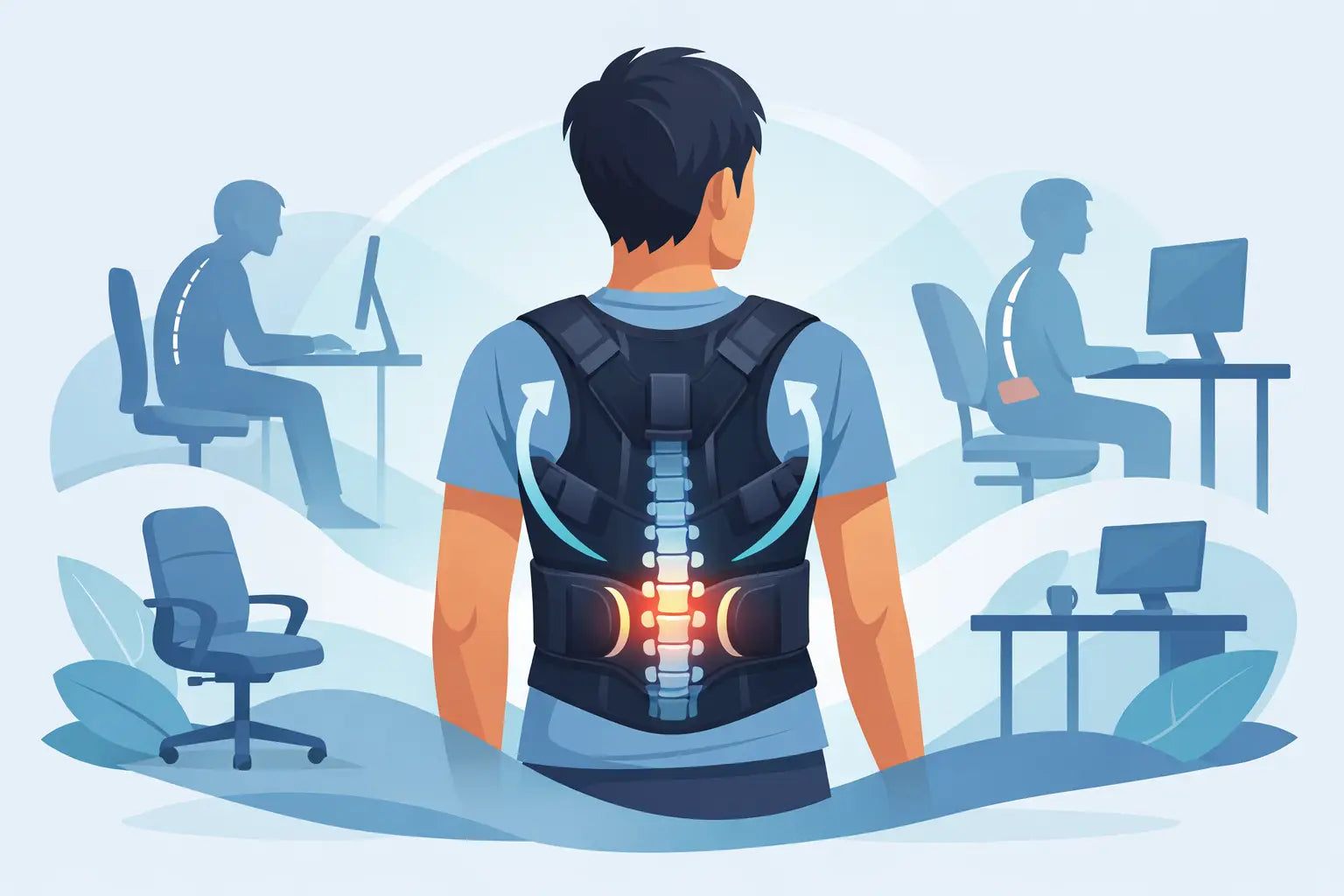
You usually feel bad posture long before you think about fixing it. It shows up when your lower back gets tight after sitting too long, your shoulders round forward during work, or your core checks out halfway through the day. If you are looking for the best posture corrector with lower back support, the goal is not to force a perfect stance for 10 miserable minutes. The goal is to help your body hold a stronger position with less strain so you can move better, train better, and feel stronger daily.
What makes the best posture corrector with lower back support?
A good posture corrector does two jobs at once. It encourages your upper body to stop collapsing forward, and it gives your lower back enough support to reduce fatigue without making you feel locked in place. That balance matters because posture problems rarely stay in one spot. Slumped shoulders often come with a tired mid-back, a weak core, and a lower back that ends up doing extra work.
The best posture corrector with lower back support should feel supportive, not punishing. If it digs into your ribs, cuts into your underarms, or feels so stiff that you stop wearing it after two days, it is not helping much. Consistency wins here. A posture tool only works when it fits real life.
Look for adjustable shoulder straps, a secure waist belt, and enough structure around the lumbar area to remind you to stay upright. Breathable material also matters more than people expect. If it traps heat or feels bulky under a shirt, it quickly turns into something you avoid.
Why lower back support changes the game
A lot of posture correctors focus only on the shoulders. That can help if your main issue is upper-body rounding, but it often misses the bigger problem. Your lower back and pelvis play a huge role in posture, especially if you sit for work, drive a lot, or spend part of the week lifting weights.
When your lower back gets tired, your posture usually falls apart from the base up. Your pelvis shifts, your core relaxes, and your upper body follows. That is why lower back support can make a posture corrector feel more effective. It gives you a better foundation.
That said, more support is not always better. If the lumbar section is too rigid, it can feel restrictive during normal movement. For daily wear, a moderate level of support usually works best. For short periods during desk work or recovery, a firmer build may be useful. It depends on how you plan to use it.
Who actually benefits from one?
This type of support can help a wide range of people, not just office workers. If you train hard, your posture still takes hits outside the gym. Long hours at a desk, scrolling on the couch, driving, or standing with poor mechanics can all add up.
A posture corrector with lower back support makes sense for beginners building better movement habits, remote workers dealing with daily stiffness, and active adults who want extra support during recovery. It can also be useful for people easing back into exercise after a long break, especially when lower back fatigue shows up early.
But it is not a magic fix. If you have sharp pain, numbness, or a history of serious back issues, a posture corrector should not be your first move. In that case, you need medical guidance, not just more compression.
How it should fit and feel
Fit is where most buying mistakes happen. People either choose something too loose, so it does nothing, or too tight, so they cannot wait to take it off. A posture corrector should create a clear reminder to stack your shoulders and support your lower back, but you should still be able to breathe, sit, and walk normally.
When you put it on, tighten the waist support first. That anchors the lower back section where it can actually do its job. Then adjust the shoulder straps until they gently pull you out of a slouch. You are aiming for alignment, not a forced military pose.
A good fit also changes based on clothing and timing. Some people wear one over a thin shirt during work blocks. Others prefer short recovery sessions after training or while doing chores at home. If it only feels tolerable in one exact setup, it may not be practical enough for regular use.
Features worth paying for
Not every extra feature is useful, but a few are worth it. Adjustable tension is one of them because your needs change throughout the day. You may want lighter support while moving around and firmer support during long sitting sessions.
A wide lumbar panel is another strong feature. Narrow support sections often feel less stable and can bunch up. Wider support spreads pressure more evenly across the lower back and tends to be more comfortable.
Durable stitching matters too. Posture gear gets pulled, tightened, and taken on and off constantly. Cheap construction usually shows fast. If the hook-and-loop closures lose grip or the seams start separating, the product stops being reliable.
Removable support stays can also be helpful. They give you the option to make the brace more structured or more flexible depending on the day. That kind of versatility is useful if you want one product for work, light activity, and recovery.
What to avoid
Be careful with anything that promises instant posture correction. That kind of claim sounds good, but posture is built through habits, strength, and awareness. A support tool can help reinforce better positioning, but it cannot replace the work.
You also want to avoid overly bulky designs unless you specifically need heavy-duty support. Big, stiff braces can feel powerful at first, but many people stop using them because they are uncomfortable or too obvious under clothing.
Another red flag is a one-size-fits-all approach with limited adjustment. Bodies vary a lot. Shoulder width, torso length, waist size, and comfort preferences all affect how a posture corrector performs. More adjustability usually means a better shot at a useful fit.
How to use a posture corrector without becoming dependent on it
This is where smart use matters. A posture corrector should coach your body, not do all the work for it. If you wear it all day, every day, and never strengthen the muscles that support good posture, you are missing the point.
Start with short sessions. For many people, 20 to 40 minutes is enough in the beginning. Use it while working, walking around the house, or during a recovery block after training. Pay attention to what good alignment feels like when the corrector is on. Then try to keep some of that position once it comes off.
It also helps to pair it with a few basic habits. Strengthening your upper back, keeping your core engaged during daily movement, and breaking up long sitting periods can make a big difference. Even simple mobility work for the chest, hips, and thoracic spine can help your body hold better posture with less effort.
Think of the posture corrector as support for the process, not the entire process.
Best posture corrector with lower back support for daily life
The best option for daily life is usually not the most aggressive one. It is the one you will actually wear consistently. That means comfortable materials, easy adjustment, and enough support to reduce strain without making normal movement awkward.
For desk work, prioritize breathable fabric and a design that sits comfortably in a chair. For general home use, flexibility matters more because you will be bending, reaching, and moving around. For post-workout recovery, a slightly firmer lower back section may feel better, especially if your lumbar area gets tired after lifting or long standing sessions.
If your shoulders are your main issue, make sure the upper straps are well designed and do not rub. If lower back fatigue is the bigger problem, look closely at the waist belt and lumbar panel. The right pick depends on where your posture breaks down first.
That is the real answer people often skip. There is no single best choice for every body. There is a best match for your routine, your comfort level, and your weak spots.
A strong posture plan works better than a quick fix
Posture support makes the most sense when it fits into a bigger routine. If you train at home, recover hard, and want tools that help you stay consistent, this kind of product can pull real weight. It can reduce the daily wear and tear that comes from sitting, slouching, and moving with poor alignment.
At Grit Gain Co., that is the bigger mindset. Train hard, recover smart, and stack small wins that keep you moving forward. A posture corrector with lower back support is not about looking rigid or perfect. It is about reducing strain, building awareness, and giving yourself a better setup for work, workouts, and everything in between.
If you choose one, choose comfort you can stick with and support that helps you stay active. The best gear is the gear that keeps showing up with you.

