

Cart
0
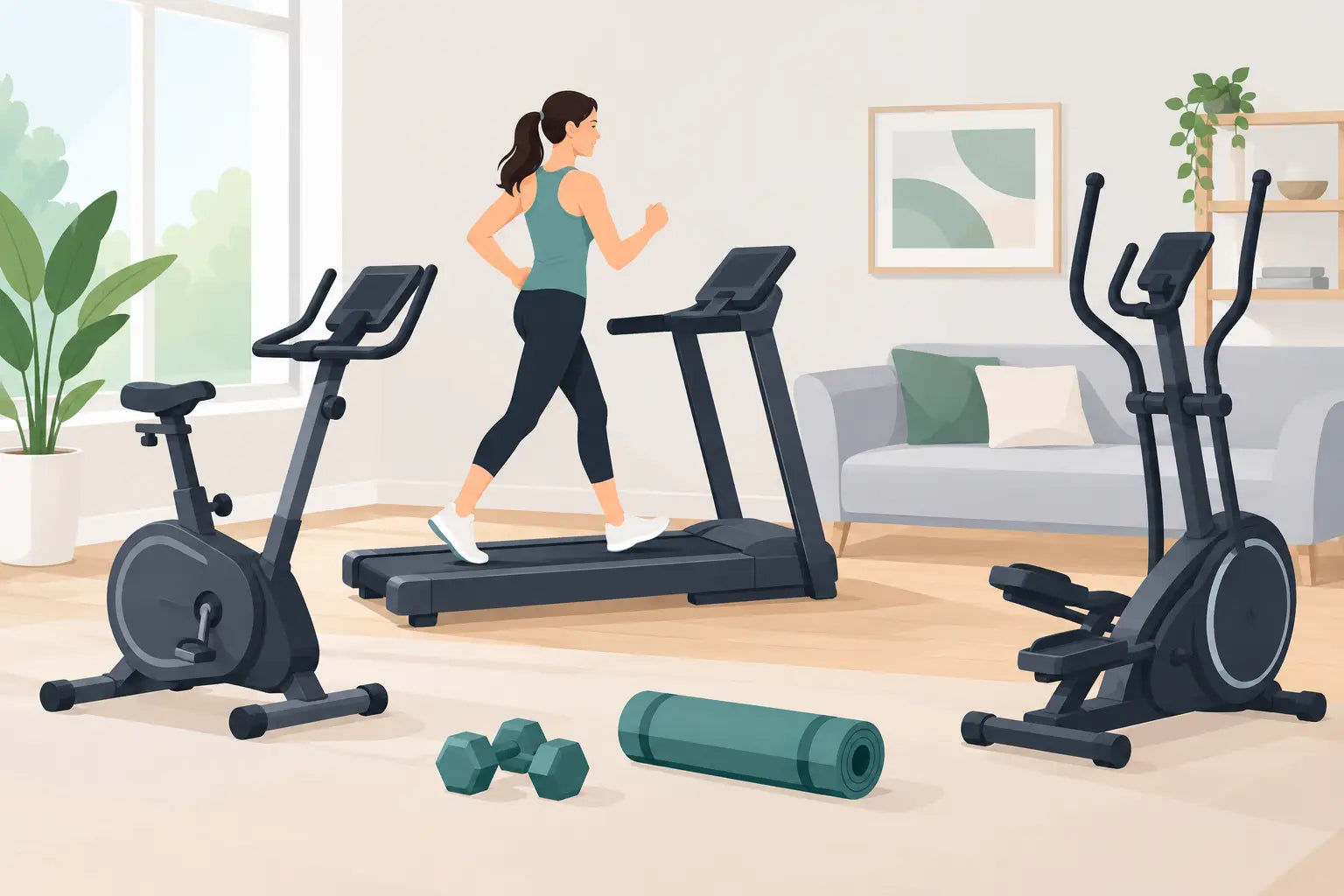
A treadmill may look like the obvious answer, but beginner home cardio equipment should not start with the biggest machine you can fit through the door. It should start with the tool that makes it easier to move on a busy Tuesday, in a small space, and at your current fitness level.
The best setup is not the most expensive one. It is the one you can pull out, use with confidence, recover from well, and repeat. Whether your goal is better endurance, fat loss, heart health, more daily energy, or a stronger home workout routine, cardio works when consistency wins.
What Beginner Home Cardio Equipment Should Do
For most beginners, cardio equipment needs to clear a few practical hurdles. It should be approachable enough to use without a complicated learning curve, compact enough for your home, and versatile enough that it does not get boring after a week.
It also needs to match your joints and your schedule. A high-impact jump rope session can be a great conditioning tool, but it may not be the right first move if your knees, ankles, or lower back need a gentler start. Walking, cycling, and low-impact marching are not less valuable because they feel simple. They are often the moves people can perform often enough to build real momentum.
Do not buy equipment based on what looks intense online. Buy based on what you will actually use three to five times per week. Train hard, stay strong, but build the habit before you chase the hardest workout in the room.
The Best Beginner Home Cardio Equipment Options
Jump Rope: Big Conditioning in a Small Package
A jump rope is one of the smartest first purchases for a home cardio setup. It takes almost no storage space, travels easily, and can raise your heart rate fast. You can use it for short intervals between strength exercises or as a focused 10- to 20-minute workout.
The trade-off is impact and coordination. Beginners often try to jump too high or go too fast, which can leave calves and shins sore. Start with small, relaxed hops, keep your elbows close to your sides, and use short work periods. Try 20 seconds of jumping followed by 40 seconds of rest for 8 to 10 rounds. That is enough to build skill without turning day one into a recovery problem.
If jumping is not comfortable yet, practice the rope motion while alternating a step from foot to foot. You still build rhythm, shoulder control, and conditioning.
Walking Pad or Treadmill: The Consistency Machine
Walking is not flashy, but it is one of the most reliable forms of beginner cardio. A walking pad or treadmill gives you an indoor option when weather, daylight, or neighborhood safety gets in the way. It is especially useful for people who work from home, have limited time, or want low-impact movement that feels manageable.
You do not need to run to make a treadmill useful. A brisk walk at a pace where you can speak in short sentences can challenge your cardiovascular system without pounding your joints. If your machine has an incline option, a modest incline can increase the challenge before you ever need to increase speed.
The downside is cost and floor space. If a treadmill would dominate your living room or strain your budget, do not force it. A simple daily walk outdoors plus a compact cardio tool can deliver better results than an expensive machine that becomes furniture.
Stationary Bike: Low-Impact, Easy to Scale
A stationary bike is a strong choice for beginners who want a more joint-friendly way to sweat. It lets you control resistance, speed, and workout length with less impact than running or jumping. That makes it a practical option for heavier beginners, people easing back into exercise, or anyone who wants to train around sensitive knees.
Keep the first rides simple. Ride at an easy, steady pace for 15 minutes, then add a few minutes each week. Once that feels comfortable, use intervals: pedal easily for two minutes, then increase resistance or pace for one minute. Repeat five or six times.
A bike does take up more room than a rope or resistance band, so measure before buying. Also look for an adjustable seat. A poor fit can make even a short workout uncomfortable.
Step Platform: Simple, Strong, and Underrated
A sturdy step platform gives you cardio and lower-body training at the same time. Step-ups build strength through your glutes, quads, and calves while getting your heart rate up. It is a useful option for anyone who wants a compact tool that supports both conditioning and functional leg strength.
Start at a low height. Step up with control, stand tall at the top, then step down softly. Alternate which leg leads. You can use steady step-ups for 10 minutes or perform intervals, such as 30 seconds of work and 30 seconds of rest.
The main trade-off is balance. Use a stable surface, clear the area around you, and keep the pace controlled until the movement feels natural. Fast feet are not the goal. Strong, repeatable reps are.
Resistance Bands: Cardio That Builds Strength Too
Resistance bands are not traditional cardio equipment, but they are a powerful tool for beginners who want conditioning without buying a large machine. A band circuit can elevate your heart rate while training major muscle groups, helping you build strength and work capacity together.
Try moving continuously through squats, rows, presses, and band pull-aparts with short rests. The resistance should be challenging enough to feel your muscles working, but light enough that your form stays clean. Bands are also easy to store, making them a practical part of a small-space setup.
For a complete home routine, pairing bands with a jump rope or walking plan creates more variety than relying on one tool alone.
Choose Equipment Based on Your Real Life
Before you buy, think about the conditions that decide whether your equipment gets used. Four questions matter most:
- How much floor space can you dedicate without creating clutter?
- Do your knees, hips, ankles, or back need low-impact movement?
- Can you realistically train for 10 minutes, 20 minutes, or longer?
- Do you prefer steady movement, like walking and cycling, or faster intervals?
If your goal is fat loss, avoid treating one piece of equipment as the answer. Cardio supports calorie expenditure and fitness, but your results also depend on nutrition, sleep, strength training, and how consistently you move. A few dumbbell sessions each week, regular cardio, and recovery work create a stronger foundation than punishing yourself with long workouts you cannot maintain.
A Simple Way to Start Without Burning Out
Start with three cardio sessions per week. Keep each session between 15 and 25 minutes for the first two weeks. You should finish feeling like you worked, not like you need several days to recover.
For walking or cycling, aim for a steady pace that leaves you breathing harder but still in control. For a jump rope or step workout, use intervals and give yourself plenty of rest. As your fitness improves, add five minutes to a session, reduce rest slightly, or add one extra round. Change one variable at a time.
Recovery is part of the plan. Tight calves after rope work, sore quads after step-ups, and general fatigue after starting a new routine are common. Light walking, mobility work, hydration, sleep, and tools such as a foam roller or massage gun can help you stay ready for the next session. Do not confuse soreness with progress. Progress is showing up again with good form.
Build a Cardio Setup You Can Grow With
You do not need to buy everything at once. Start with one primary cardio tool and one supporting tool. For example, a jump rope and resistance bands make a compact, budget-friendly conditioning setup. A walking pad and foam roller work well for low-impact daily movement and recovery. A stationary bike plus dumbbells gives you a solid base for cardio and strength training in one room.
Grit Gain Co. is built around that bigger picture: train with purpose, move better, and give recovery the attention it earns. The equipment matters, but the routine matters more.
Pick the tool that removes the most excuses from your day. Ten focused minutes in your own space is not a small start. It is the first rep of a stronger routine.

